
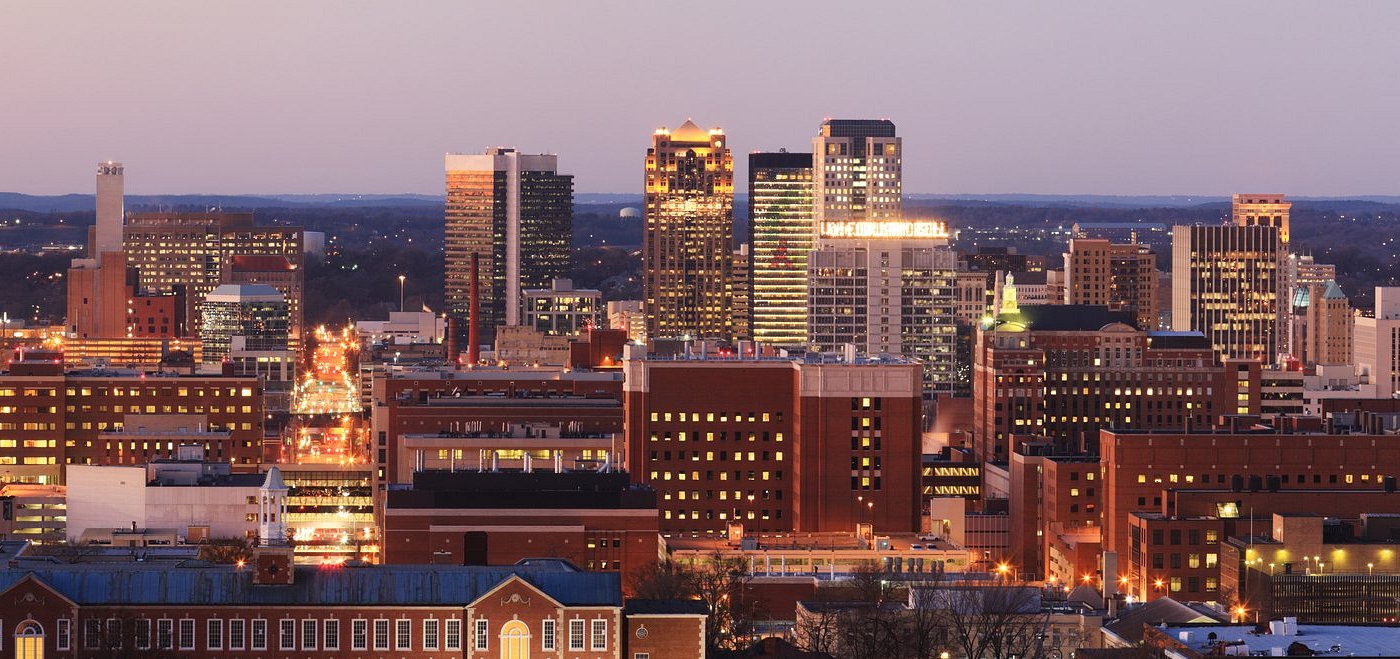
Birmingham, Alabama — a city of history, museums, red clay streets, and revelations
There are cities you visit for pleasure.
And then there are cities that quietly sit you down and teach you something.
I did not go to Birmingham, Alabama, for spectacle. I went without a checklist, without a “Top Ten” list screenshot saved in my phone. No brunch crawl mapped out. No viral coffee shop pinned. I went because I wanted to see what would happen if I paid attention.
Birmingham is not a city that performs for you.
It does not sparkle or seduce. It does not beg for your Instagram carousel. It does not greet you with waterfront promenades or postcard-perfect skylines. What it offers instead is density — of history, of memory, of reckoning.
And if you move slowly enough, it begins to speak.
The Weight of a Street Corner
In Birmingham, street corners are not neutral.
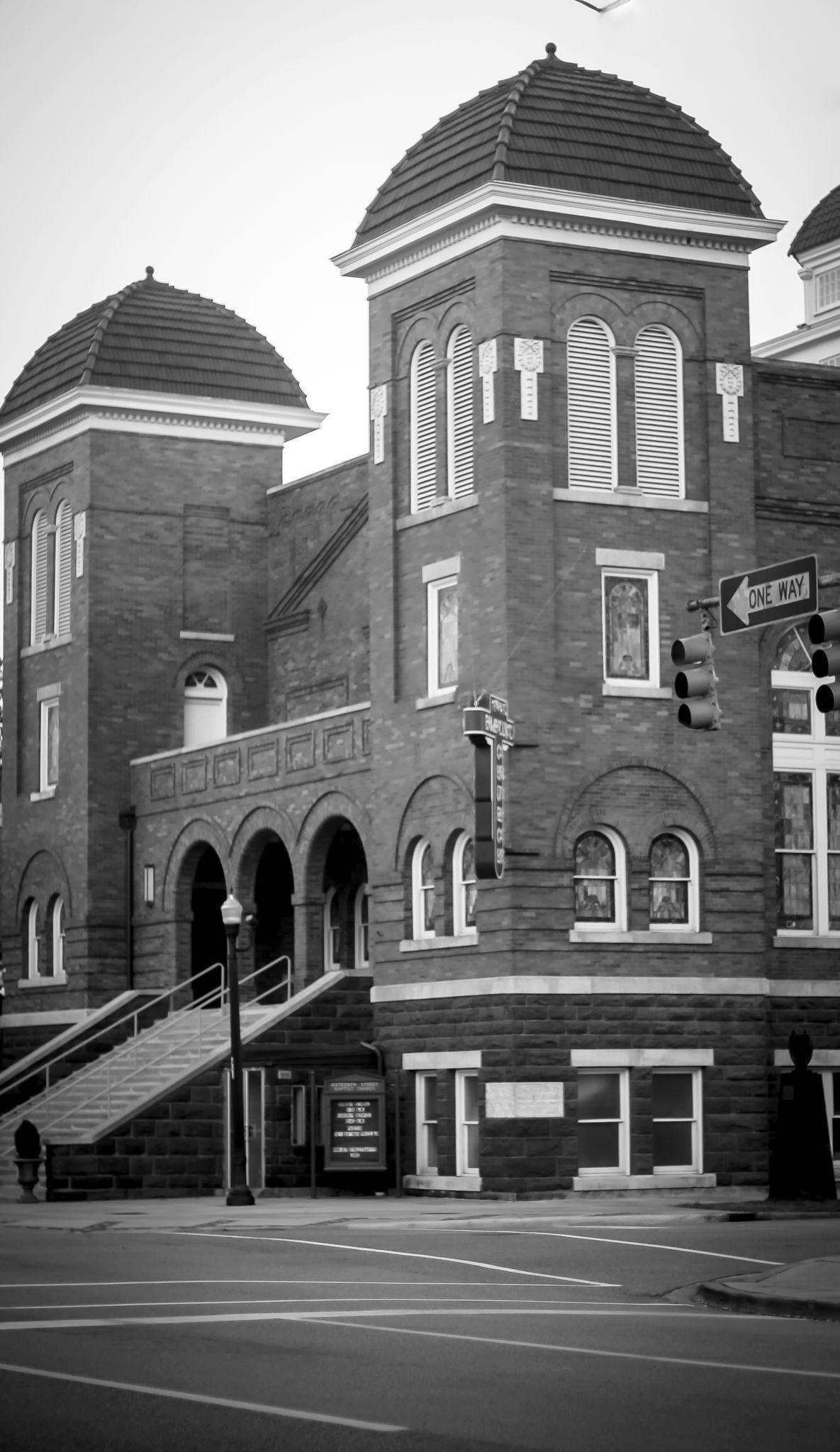
The first morning, I walked toward the Civil Rights District, unsure of what I would feel. I had seen the photographs, read the textbooks, watched the documentaries. But proximity rearranges things.
Standing outside the 16th Street Baptist Church, I was struck by how ordinary the brick looked. Not monumental. Not theatrical. Just brick and stained glass and Southern sunlight. It was unsettling in its normalcy.
Across the street, in Kelly Ingram Park, statues freeze moments most of us know only through black-and-white film: children bracing against water hoses, bodies flung backward by the force of state-sanctioned violence. You expect grandeur. Instead, you get intimacy. The park is walkable, quiet, almost gentle — until you read the plaques.
Inside the Birmingham Civil Rights Institute, the air shifts. The exhibits do not shout. They do not overwhelm you with digital spectacle. They present photographs, newspaper clippings, recorded testimonies. They trust you to absorb what you are seeing.
I watched a looping newsreel of the Children’s Crusade — teenagers marching with a steadiness that felt almost reckless in its courage. They looked impossibly young. Because they were.
I found myself wondering: Who would I have been at sixteen? Brave? Terrified? Both?
Birmingham taught me that courage is often quiet and collective. It does not always look like a single hero framed against a dramatic sky. Sometimes it looks like children linking arms and stepping forward.
Red Clay, Steel, and Resolve
But Birmingham is not only a museum of pain.
The city was built on iron ore, limestone, and coal — the ingredients for steel. It was once called “The Magic City” because it grew so quickly during the industrial boom. That history lingers in its infrastructure — in railroad tracks that slice through neighborhoods, in warehouses converted into lofts and breweries.
At Sloss Furnaces National Historic Landmark, rusted blast furnaces rise like skeletal monuments against the sky. Walking the grounds feels almost cinematic — as if you’ve wandered onto the set of a post-industrial drama. But this is not aesthetic ruin. It is labor history. It is men in soot-covered overalls. It is heat and hazard and hierarchy.
From there, I walked to Railroad Park, where families picnicked and joggers traced loops around a manicured green space framed by downtown high-rises. The contrast was stark — steel to soft grass, smoke stacks to skyline.
Cities, like people, contain contradictions.
Birmingham taught me that you can hold pride and grief in the same breath. That you can celebrate industry while interrogating the inequities that built it. That growth does not erase origin.
The Museum as Mirror
One afternoon, I wandered into the Birmingham Museum of Art, not because it was trending, but because it was there.
Museums in major cities often feel like endurance tests — sprawling, crowded, heavy with expectation. This one felt almost contemplative. I stood in front of a sculpture longer than I normally would. No one was pushing past me. No audio guide beeped impatiently.
Paying attention requires time.
I began noticing small details — the curve of a carved figure’s shoulder, the brushstrokes in a Southern landscape painting, the way light filtered through tall windows and landed on polished floors. The museum became less about the objects and more about the act of looking.
Travel, I realized, is often less about where you are and more about how you see.
Birmingham taught me to linger.
Food as Continuation
In the evening, I ate.
Because in the South, memory is not only archived in museums. It is plated.
At Saw’s Soul Kitchen, I ordered smoked chicken with white sauce — a tangy, creamy Alabama staple that felt both regional and rebellious. At Highlands Bar & Grill, I tasted a refinement of Southern ingredients that challenged any lazy assumptions about “down-home” cooking.
Food here does not exist in a vacuum. It is migration and adaptation. It is Black culinary influence threaded through a region that once refused to acknowledge it. It is grandmothers and pitmasters and chefs in crisp white jackets reimagining tradition.
As I ate, I thought about how cities tell their stories in layers. Official history. Unofficial memory. Oral tradition. Family recipe.
When you pay attention, you taste all of it.
What a City Reveals
There is a temptation, especially as a traveler, to extract the highlight and move on. To say, “I’ve seen it,” and close the chapter.
But Birmingham resists that kind of consumption.
It reveals itself in increments.
In the cadence of a conversation with a local barista who tells you her grandmother marched. In the way church bells echo down an otherwise quiet block. In the sight of children running through a park that once bore witness to brutality.
It reveals how proximity changes understanding. How reading about history is not the same as standing where it unfolded. How progress is visible but incomplete.
Birmingham taught me that attention is a form of respect.
When you slow down enough to notice the texture of a brick wall, the names engraved on a memorial, the smell of smoked meat curling into dusk air — you are saying: This matters.
The Lesson
On my final morning, I drove up to Vulcan Park and Museum, where the towering statue of Vulcan — Roman god of fire and forge — overlooks the city from Red Mountain. From that vantage point, Birmingham looked almost serene.
Sunlight softened the industrial edges. Highways curved like ribbons. Trees stretched in every direction.
It would be easy, from above, to miss the depth.
That is true of cities.
That is true of people.
Birmingham taught me that surface impressions are rarely the whole story. That you have to descend into the streets, step into the museums, listen to the quiet between buildings. That you must be willing to feel discomfort alongside admiration.
It taught me that a city can be both wound and witness. Both burdened and beautiful.
Most of all, it taught me that paying attention changes you.
When you return home, you carry something with you — not a souvenir, not a checklist completed, but a recalibrated way of seeing. You begin to notice the histories embedded in your own streets. The stories your own city tells if you pause long enough to hear them.
Birmingham did not dazzle me.
It steadied me.
It reminded me that travel is not always about escape. Sometimes it is about confrontation. Sometimes it is about standing still long enough for a place to speak — and humble enough to listen.
And if you pay attention, it will teach you something you did not know you needed to learn.