
A cultured escape for women who prefer restoration over performance
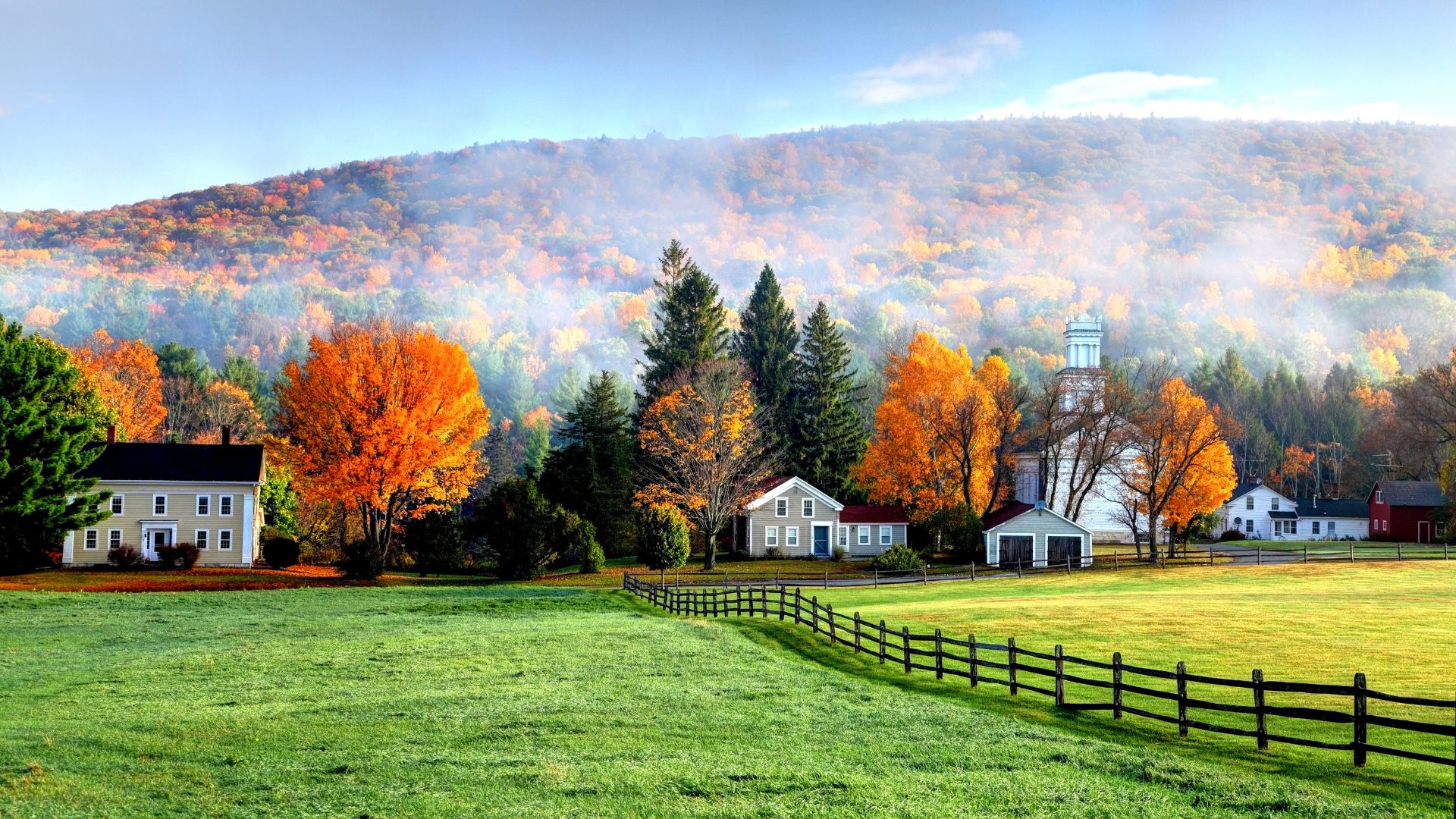
Trends have a way of announcing themselves loudly. The Berkshires do not. They have always existed just beyond the noise—quietly cultivating art, ideas, and an intimacy with nature that rewards those who arrive without expectations and leave with clarity.
Tucked into western Massachusetts, The Berkshires stretch across rolling hills and mountain towns bordered by Vermont, Connecticut, and New York. Long before “quiet luxury” entered the vocabulary, this region offered something rarer: space to think. Writers, composers, artists, and intellectuals have been coming here for centuries not to be seen, but to work, reflect, and breathe.
For Black women—especially those accustomed to navigating spaces where rest is earned rather than assumed—the Berkshires offer a different rhythm. One that does not require explanation, performance, or proof of belonging. The appeal is not in excess, but in intention.
Autumn as a Practice, Not a Backdrop
Fall in the Berkshires is not a weekend event; it is a season that unfolds deliberately. While nearly any drive through the region becomes an accidental lesson in color theory, certain vantage points demand pause. The dramatic hairpin turn along Route 2 in North Adams offers sweeping views of valley towns below—less a thrill ride than a reminder to slow down and look outward.
At the summit of Mount Greylock, the state’s highest point, the reward is perspective. On clear days, the 360-degree view stretches across multiple states, a quiet affirmation of scale. Here, fall is not content for a camera roll; it is an invitation to presence.
Rethinking “American” Art
The Berkshires’ cultural life has long been framed through a narrow lens of Americana, but the region’s institutions are increasingly engaging more complex conversations. In Stockbridge, the Norman Rockwell Museum houses the largest collection of Rockwell’s work, offering insight into the construction of an idealized American narrative—and, importantly, its limitations.
For Black visitors, the museum’s evolving programming around equity, representation, and social justice adds necessary context. Rockwell’s later work, which confronted civil rights and desegregation, opens space for critical engagement rather than passive nostalgia. This is not about reverence alone; it is about interrogation.
Simplicity as Design Philosophy
In nearby Pittsfield, Hancock Shaker Village offers a different kind of education. Once home to a Shaker community for nearly two centuries, the site now operates as a living museum where design, labor, and belief intersect. The Shaker commitment to craftsmanship, utility, and restraint feels unexpectedly contemporary in an era of excess.
Walking the grounds—750 acres of preserved buildings, farmland, and trails—reveals how intentional living has always been a radical act. For women thinking about wellness beyond buzzwords, the village offers a compelling reminder that simplicity is often the most sophisticated choice.
Where Words Were Written
Literary pilgrims will find resonance at The Mount, the Lenox estate designed and lived in by Edith Wharton during one of the most productive periods of her career. The house and its Italian-inspired gardens were conceived as a total environment—architecture, landscape, and intellect in conversation.
While Wharton’s world was not built with Black women in mind, the act of standing in a space where a woman claimed authority over her creative life still carries weight. The Mount now hosts readings, lectures, and exhibitions that broaden the narrative, making it a site not only of literary history, but of possibility.
Sweetness, Without Excess
After long walks and long thoughts, Lenox provides a gentler indulgence. Chocolate Springs Café is less novelty than ritual—a place where chocolate is treated with seriousness and pleasure in equal measure. Truffles, drinking chocolate, and seasonal confections invite lingering, especially when paired with one of the café’s frequent live music evenings.
It is the kind of stop that feels earned rather than rushed, best enjoyed without itinerary pressure.
Why the Berkshires—and Why Now
The Berkshires are not trying to compete with coastal flash or social currency. They offer something more sustaining: intellectual nourishment, cultural depth, and a pace that allows Black women to move through space without vigilance. Here, beauty does not demand commentary. Rest does not require justification.
In an era where travel often feels performative, the Berkshires remain quietly radical. They ask only that you arrive open—and leave restored.
For those planning a fall departure, consider the Berkshires not as an alternative, but as an upgrade.