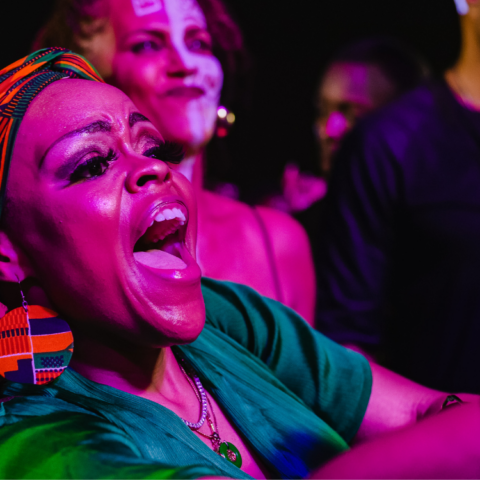

Rain has a way of sharpening anticipation. On a day when Paris felt gray and impermeable, the city’s cultural institutions became sanctuaries—places where time, geography, and expectation briefly dissolved. Inside the Fondation Cartier pour l’Art Contemporain, that dissolution was immediate. What greeted visitors was not the hushed reverence typically associated with museum exhibitions, but a charged, rhythmic atmosphere that felt closer to a dance floor than a gallery.
Such was the world of Malick Sidibé.
Sidibé, who passed away in 2016, occupies a singular position in twentieth-century photography. Working primarily in black and white, he documented the social and cultural life of Mali’s youth during the 1960s and 1970s—decades shaped by newfound independence, global cultural exchange, and an emerging sense of self-definition across West Africa. His photographs do not traffic in ethnography or spectacle. Instead, they pulse with intimacy, confidence, and pleasure.
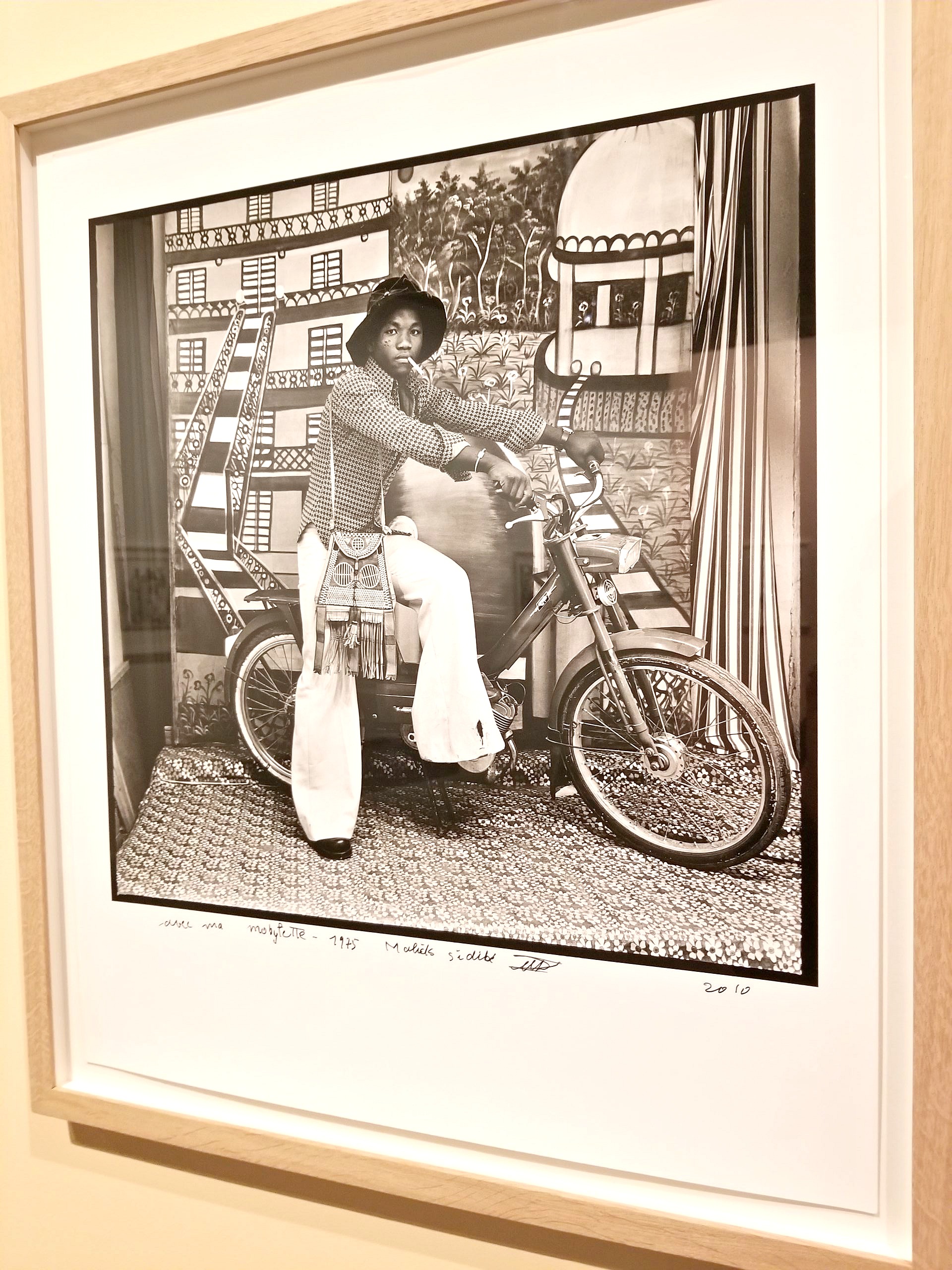
The exhibition Mali Twist takes its name from a 1963 song by Boubacar Traoré, and the reference is instructive. Sidibé’s work is inseparable from music—American soul, funk, and rhythm and blues mingled freely with African popular sounds in the Bamako clubs he frequented. His subjects, often photographed mid-dance, wear butterfly collars, sharply tailored trousers, patterned bell-bottoms, and platform shoes. Their poses are unselfconscious yet deliberate, imbued with a cool that is neither borrowed nor aspirational, but fully owned.
What emerges across gallery walls is an Africa rarely afforded prominence in Western visual narratives: urban, stylish, modern, and joyfully self-aware. These images resist the flattening tendencies of both colonial documentation and postcolonial romanticism. They could just as easily depict a New York or Detroit dance hall of the same era—an intentional parallel underscored by the exhibition’s soundtrack, which drifts between Motown classics and soul standards. The effect is not dilution, but connection. Sidibé’s work insists on a shared global modernity, one shaped as much by Black diasporic exchange as by national borders.
Sidibé began his career in Bamako as a studio photographer, where young Malians commissioned portraits to mark milestones, aspirations, and identities. Those studio images—some included here for the first time—reveal his technical precision and deep respect for his subjects’ self-presentation. Outdoors, in clubs and at parties, his camera captured movement, sweat, laughter, and spontaneity without intrusion. There is no voyeurism in these photographs. The trust between photographer and subject is palpable.
International recognition arrived later. By the 1990s, Sidibé’s work began circulating more widely in Europe and the United States, challenging long-standing assumptions about African photography and modernism. In 2007, he was awarded the Golden Lion for Lifetime Achievement at the Venice Biennale, becoming both the first photographer and the first African artist to receive the honor. The award acknowledged not only his aesthetic contributions, but the historical significance of his archive—an archive that documents Black life not as struggle alone, but as pleasure, style, and self-determination.
With more than 300 photographs on view, including dozens of previously unseen works, Mali Twist functions less as a retrospective than as a sustained argument. It argues that joy is worthy of documentation. That Black youth culture has always been intellectually and artistically generative. That fashion, music, and nightlife are not peripheral to history, but central to how communities imagine themselves.
For contemporary audiences—and particularly for Black women navigating museums, galleries, and the art market—Sidibé’s work offers more than visual pleasure. It offers a lesson in looking. These photographs reward sustained attention. They reveal how composition, context, and cultural fluency shape meaning. They remind viewers that collecting art is not merely about acquisition, but about recognizing significance, supporting legacy, and preserving narratives that institutions have historically overlooked.
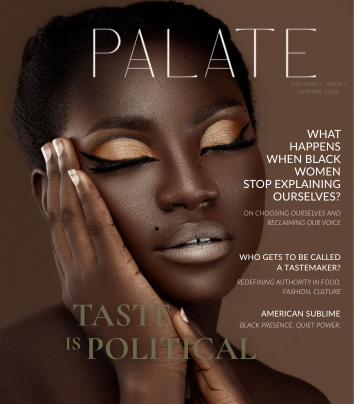
That is precisely the spirit behind PALATE’s A Black Girl’s Guide to Art Collecting—a resource designed to demystify collecting while centering discernment, intention, and cultural stewardship. Exhibitions like Mali Twist are not only moments to admire; they are opportunities to learn how to see, how to evaluate, and how to build collections that honor Black creativity across generations.
Sidibé understood that photographs could be records of freedom as much as form. Decades later, his images still move—rhythmically, politically, and aesthetically. They ask viewers not just to witness, but to remember. And, for those willing to take the next step, they invite participation in the ongoing work of preservation.
Download PALATE’s A Black Girl’s Guide to Art Collecting to continue that work—with clarity, confidence, and care.
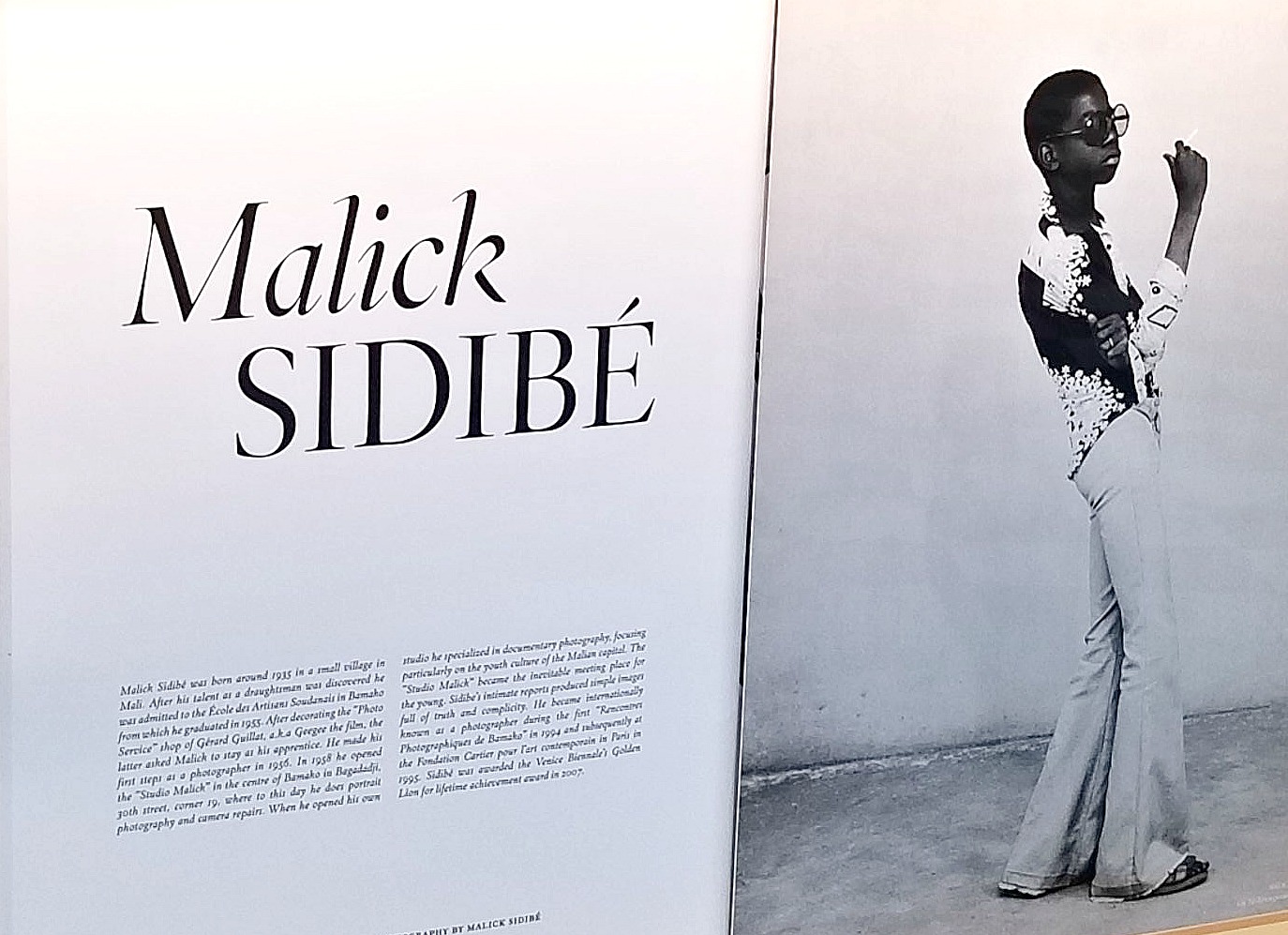


* The photographs included in this post are the sole work and property of Malick Sidibe.