
Five indulgences every woman deserves—without apology
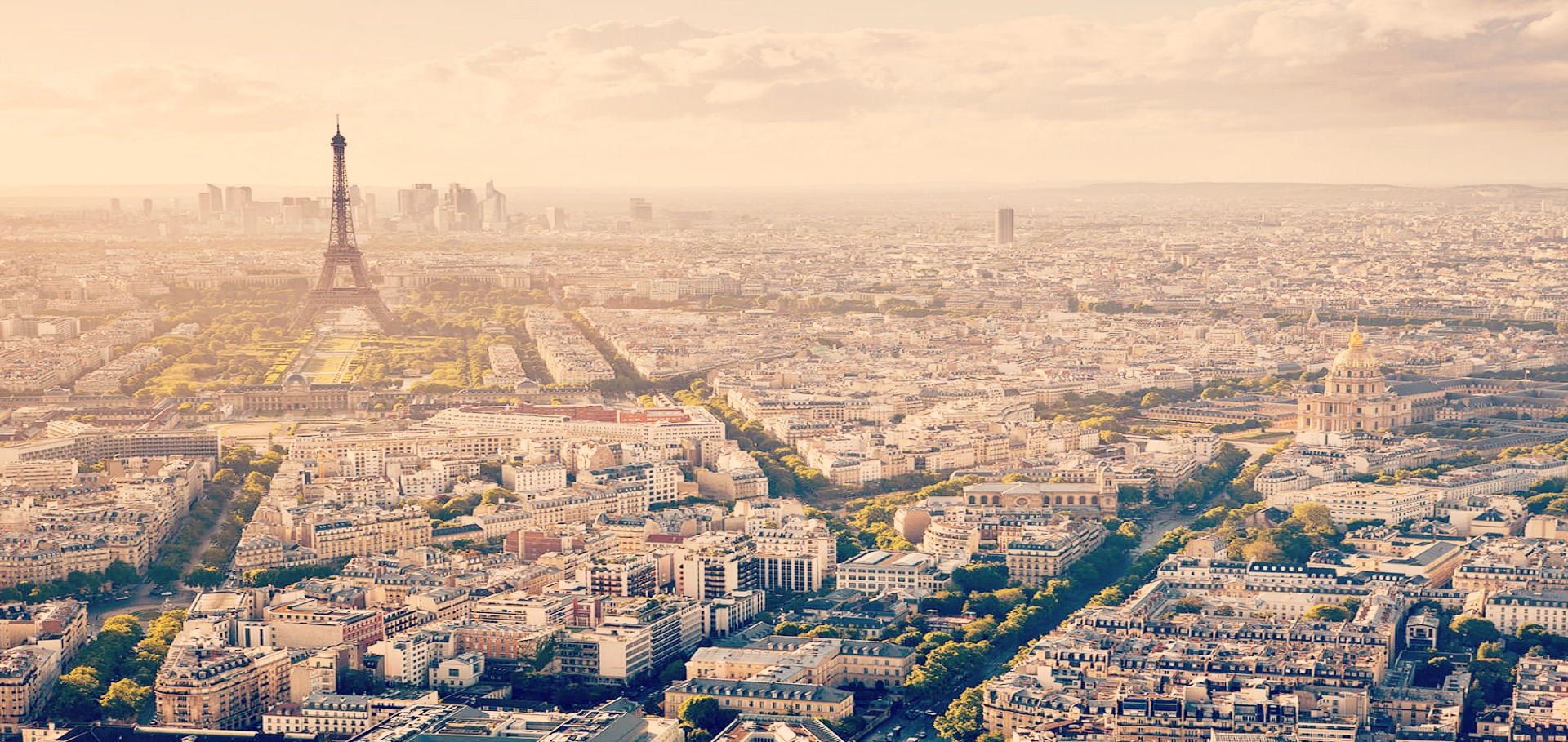
Paris has long carried the weight of its own mythology. The city’s monuments—Eiffel Tower, the Louvre, the ceremonial sweep of the Champs-Élysées—have been praised, photographed, and narrated to exhaustion. That acclaim is earned. It is also incomplete.
What keeps Paris perennially interesting is not the checklist of attractions, but the permission it grants: to play with identity, to indulge without justification, to move through beauty on one’s own terms. For Black women especially—accustomed to navigating visibility, scrutiny, and expectation—Paris offers something subtler than romance. It offers agency.
Below are five Parisian indulgences that reward intention over performance, and pleasure over proof.
1. Try on a Life—Just for the Afternoon
Paris is uniquely suited to imaginative freedom. The city encourages role-play not as spectacle, but as ease. One can dress the part—tailored coat, oversized sunglasses—and disappear into the rhythm of the boulevard without explanation.
A slow walk past the maisons of the Champs-Élysées, a pause at a café terrace, an unhurried seat for afternoon tea at the Hôtel de Crillon—each offers a chance to inhabit a version of oneself unconcerned with context. Paris does not ask for backstory. It assumes you belong.
The pleasure lies in the anonymity.
2. Eat as Though Pleasure Is a Discipline
Paris is not merely a city that eats well; it is a city that treats eating as a form of cultural literacy. Lunch unfolds in courses. Dinner lingers. Dessert is not an afterthought. The French meal—starter, main, cheese, and sweet—prioritizes rhythm over restriction.
The city’s reputation as the birthplace of haute cuisine is sustained by both temples of gastronomy and neighborhood bistros that understand restraint as rigor. Walking and cycling—Paris’s default modes of movement—quietly reinforce the idea that nourishment and pleasure are not opposing forces.
In Paris, finishing the plate is not indulgence. It is respect.
3. Invest in Lingerie as Architecture
Parisian lingerie shopping is not transactional; it is curatorial. Small boutiques treat undergarments as the foundation of self-presentation, not its embellishment. The emphasis is on fit, fabric, and feeling—how a garment sits against the body, and how it alters posture and confidence.
French lingerie culture understands something many markets overlook: seduction begins beneath the clothes, for the wearer first. Choosing something delicate—or daring—becomes an act of private authorship. What is purchased need not be practical. It needs only to be intentional.
4. Allow Romance to Be Brief—and Safe
Paris is saturated with romance, but not all romance must aspire to permanence. Sometimes it is enough to share a glance, a conversation, a kiss that exists only in memory. The city accommodates fleeting connection with remarkable discretion. So, yes, consider this permission to have a fling, girl.
Safety, of course, remains paramount. Boundaries are not suspended simply because the setting is beautiful. But Paris’s density of cafés, museums, and public spaces makes intimacy feel less isolating, more communal. Romance here need not be dramatic to be meaningful. S
Sometimes, a moment is the point.
5. Let Someone Else Hold the Camera
Hiring a professional photographer in Paris is not vanity; it is documentation. Whether traveling solo or with companions, having images captured by someone who understands light, movement, and the city’s visual grammar changes the record entirely.
A skilled photographer translates atmosphere into memory—turning a street corner, a café pause, a quiet bridge crossing into something lasting. These images are not souvenirs. They are proof of presence, rendered with care.
Paris rewards those who remember it well.
Why Paris Still Matters
Paris endures not because it is perfect, but because it allows complexity. It accommodates indulgence without apology and solitude without suspicion. For Black women navigating a world that often demands justification for rest, pleasure, and visibility, the city offers an alternative contract.
Here, indulgence is not excess.
It is discernment, practiced slowly.
When Paris is approached not as spectacle but as setting—as a place to inhabit rather than conquer—it becomes something rarer than romance. It becomes restorative.
Bon courage.